The Importance of an Optical Fibre Diameter Analyser in Preserving Market Standards
The importance of an Optical Fibre Diameter Analyser can not be overstated in the context of market criteria. This modern technology assures exact dimensions, which are vital for excellent signal transmission and minimized depletion. By identifying variances early, makers can copyright strict high quality control actions. The ramifications of these measurements extend past conformity. Uncovering the wider influence on system performance reveals intricacies that warrant additional expedition.
Understanding Optical Fibre Diameter Evaluation
Optical fibre diameter evaluation plays an important role in making sure the performance and integrity of fibre optic systems. Exact dimension of fibre diameter is crucial, as it straight affects signal transmission effectiveness and total system honesty. Variants in diameter can result in boosted attenuation, reduced bandwidth, and greater susceptibility to environmental variables.
By employing specific dimension methods, manufacturers can preserve rigorous top quality control, making sure that fibres meet sector criteria. This evaluation also promotes the identification of defects or disparities throughout manufacturing, permitting prompt rehabilitative activities.
Additionally, understanding the diameter specifications aids in the choice of suitable ports and installations, thus improving compatibility within the network. Generally, complete optical fibre diameter evaluation is a fundamental element of fibre optic innovation, underpinning innovations in telecoms, information transmission, and different applications across various industries.
Trick Features of Optical Fibre Diameter Analysers
Optical fibre diameter analysers are equipped with several crucial functions that enhance their performance. Significant amongst these are accuracy measurement abilities, which ensure accurate analyses, and real-time tracking functions that give prompt responses throughout the analysis procedure. Furthermore, a straightforward interface layout promotes very easy procedure, making these tools obtainable to a larger series of users.
Accuracy Dimension Capabilities
When it concerns assuring high-grade fibre manufacturing, precision measurement capacities are critical in diameter analysers. These devices make use of advanced technologies to deliver precise measurements of fibre diameter, permitting makers to maintain stringent resistances. High-resolution optics and sophisticated formulas make it possible for the discovery of minute variants in diameter, necessary for producing reliable and consistent optical fibres. In addition, the ability to measure throughout a variety of diameters improves versatility, accommodating various manufacturing needs. The integration of calibration standards makes certain that dimensions remain accurate in time, reducing the danger of issues. By utilizing these accuracy dimension capacities, producers can maintain market requirements, enhance product top quality, and inevitably drive consumer contentment in the affordable fibre optics market.
Real-Time Tracking Features
Real-time surveillance attributes are essential for enhancing the effectiveness and efficiency of fibre production procedures. These capacities enable continual assessment of optical fibre diameter throughout production, guaranteeing that any type of deviations from specified criteria are promptly found. By giving immediate responses, manufacturers can quickly adjust specifications, minimizing waste and keeping quality assurance. Additionally, real-time surveillance facilitates the identification of fads and patterns in manufacturing data, offering important insights for process optimization. The combination of these features into optical fibre diameter analysers sustains proactive decision-making, encouraging operators to respond promptly to possible problems. The application of real-time surveillance not only upholds industry standards yet likewise boosts general performance and product dependability.
User-Friendly User Interface Style
A properly designed interface is essential for the efficient procedure of optical fibre diameter analysers. Such user interfaces focus on simpleness and availability, enabling individuals to browse the system with ease. Secret features frequently include instinctive menus, clear graphical depictions of data, and customizable settings to suit various user preferences. Real-time responses systems boost the customer experience by giving prompt understandings right into measurements. In addition, reliable error messaging overviews customers in repairing problems swiftly, lessening downtime. The incorporation of touchscreens and responsive layouts additionally facilitates interaction, making it less complicated for specialists to operate the analyser in varied environments. Eventually, an user-friendly user interface not just improves performance yet likewise enhances the overall accuracy of the dimensions, contributing to market criteria in optical fibre production.
The Duty of Diameter Measurement in Top Quality Control
Although diameter measurement might look like a small detail in the manufacturing of optical fibres, it plays a considerable duty in ensuring general quality assurance. Uniformity in diameter is essential for preserving the optical performance and structural integrity of the fibres. Variants in diameter can lead to issues such as signal loss, raised depletion, and lowered tensile strength, inevitably endangering the reliability of the fibre in different applications.
Quality assurance procedures incorporate specific diameter measurement to identify defects early in manufacturing. By applying an optical fibre diameter analyser, producers can identify any variances from specified tolerances, promoting immediate corrective activities. This positive strategy not only boosts item top quality but additionally decreases waste and lowers production prices.
Compliance With Sector Standards and Laws
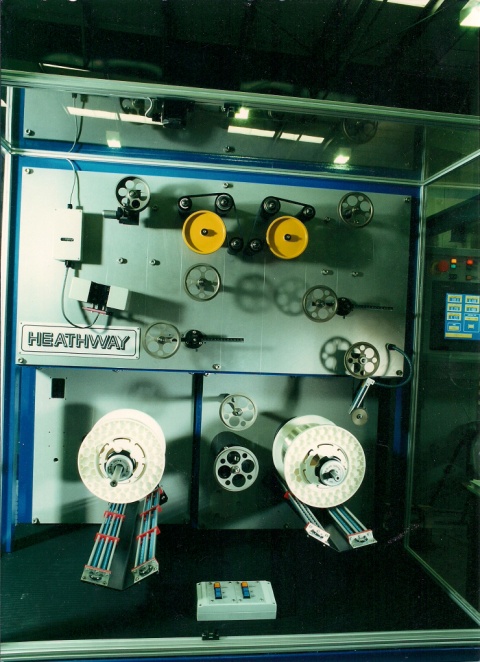
Compliance with sector standards and laws is vital for the precise operation of an optical fibre diameter analyser. Following these standards assurances that manufacturers keep quality assurance throughout the manufacturing procedure. Meeting regulatory demands not just enhances item dependability yet likewise promotes consumer count on.
Making Certain Quality Assurance
Making sure adherence to market criteria this is important for maintaining the honesty and efficiency of optical fibre products. Quality control plays a crucial role in this process, as it includes the systematic tracking of fibre diameter to assure consistency and reliability. An optical fibre diameter analyser is an important tool in attaining these high quality standards, providing precise measurements that assist determine inconsistencies from established specifications. By utilizing this technology, producers can promptly find and attend to any kind of anomalies, making sure that items meet the required performance standards. Routine assessment with such analysers not just supports product quality yet also improves consumer trust and satisfaction. Ultimately, robust quality control measures cultivate an one-upmanship in the optical fibre sector, promoting lasting success and compliance with requirements.
Meeting Regulatory Needs
As suppliers browse the complexities of the optical fibre market, conference regulative demands ends up being crucial for assuring item safety and security and performance. Compliance with market requirements not just minimizes prospective dangers however likewise improves consumer confidence in the products supplied. An optical fibre diameter analyser plays a critical role in this process, allowing producers to confirm that their products stick to specified dimensions and resistances. By making use of such analyzers, business can guarantee that their optical fibres meet the rigid policies established forth by market authorities. This aggressive method to high quality assurance not just helps with conformity yet additionally improves the manufacturing procedure, lowering the possibility of pricey recalls or rejections. Ultimately, adherence to regulatory standards is critical for preserving an one-upmanship in the market.
Advantages of Accurate Diameter Measurement

Exact diameter dimension plays an important function in the efficiency and integrity of optical fibers. Guaranteeing that fibres meet defined diameter tolerances decreases signal loss and makes best use of transmission effectiveness, straight affecting overall system efficiency. This precision is essential in keeping optimal light proliferation, as also small inconsistencies can lead to boosted attenuation and reduced optical signal quality.
Precise measurements enhance compatibility in between components in fibre optic systems, promoting smooth integration and decreasing the threat of failures. Consistent diameter dimensions likewise add to improved manufacturing processes by identifying possible problems early, consequently lessening waste and lowering production expenses.
Incorporating Optical Fibre Diameter Analysers Into Manufacturing
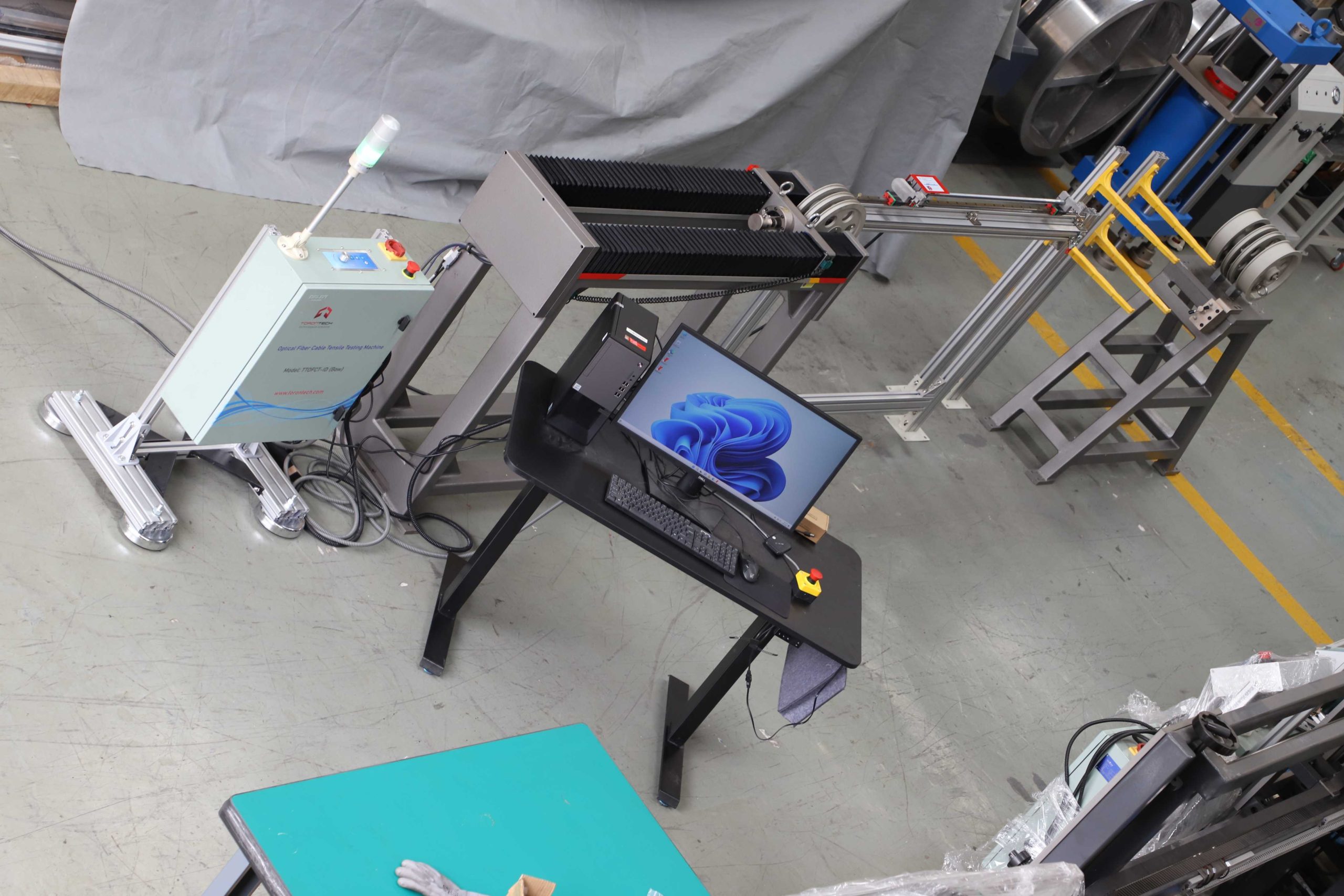
Integrating optical fibre diameter analysers into production processes boosts the ability to preserve rigid high try these out quality control actions. By employing these analysers, manufacturers can attain accurate and consistent measurements of fibre sizes, which is important for ensuring item performance and dependability. The integration procedure generally includes placing analysers at bottom lines along the production line, allowing real-time tracking and prompt feedback on diameter variations.
This positive navigate here technique enables fast adjustments to the production specifications, decreasing the danger of flaws and waste. In addition, the data accumulated can be used for statistical process control, adding to continual renovation efforts. Operators are encouraged with actionable understandings that promote informed decision-making regarding material usage and production strategies. Inevitably, the incorporation of optical fibre diameter analysers not only boosts item quality yet also supports compliance with sector criteria, strengthening a business's track record for quality in the competitive optical fibre market.
Future Fads in Optical Fibre Dimension Technology
Arising improvements in optical fibre measurement technology are positioned to revolutionize the market. The incorporation of expert system and artificial intelligence is expected to boost precision and effectiveness in diameter evaluation. These technologies allow real-time data handling, enabling immediate changes during production, thereby minimizing waste. The advancement of non-contact measurement methods assures a reduction in physical interaction with fibres, preserving their honesty.
In addition, miniaturization of dimension gadgets is expected to result in more mobile and easy to use remedies, facilitating on-site evaluations. robotic vision. Assimilation with IoT systems will make it possible for remote tracking and data collection, fostering enhanced anticipating maintenance and high quality control
As industries increasingly require greater performance requirements, the evolution of optical fibre measurement tools will certainly play an important role in meeting these assumptions, ensuring that makers can constantly deliver premium items while sticking to stringent regulatory requirements.
Regularly Asked Questions
How Commonly Should Optical Fibre Diameter Measurements Be Carried Out?
Frequency of optical fibre diameter dimensions usually depends on manufacturing quantity and quality requirements. Routine checks, usually everyday or once a week, help ensure constant quality and adherence to specifications, lessening possible defects in fibre production procedures.
What Are the Regular Expenses of Optical Fibre Diameter Analysers?
The regular prices of optical fibre diameter analysers differ widely, varying from numerous thousand to tens of hundreds of bucks, depending upon attributes, accuracy, and manufacturer, affecting choices for services investing in quality measurement technology.
Can Diameter Analysers Be Calibrated On-Site?
Diameter analysers can commonly be calibrated on-site, enabling immediate adjustments to ensure precision. Nonetheless, the particular procedures and requirements might vary depending on the maker's guidelines and the technology used in the analyser.
What Kinds of Fibres Can Be Measured With These Analysers?
Optical fibre diameter analysers can gauge various fibre kinds, including single-mode, multi-mode, specialty, and large-core fibres. Each kind calls for certain calibration setups to guarantee exact and dependable diameter dimensions throughout the manufacturing process.
Exist Particular Upkeep Needs for Diameter Analysers?
Diameter analysers call for normal calibration to assure precision, along with routine cleaning to stop debris buildup. Furthermore, checking software updates and checking mechanical components add to their ideal performance and durability in gauging fibre sizes efficiently.
Comments on “What is an optical measurement system in precision engineering”